
Better eco system needed to check delays
Track2Realty view on project delays The lack of regulations is…


Track2Realty is an independent media group managed by a consortium of journalists. Starting as the first e-newspaper in the Indian real estate sector in 2011, the group has today evolved as a think-tank on the sector with specialized research reports and rating & ranking. We are editorially independent and free from commercial bias and/or influenced by investors or shareholders. Our editorial team has no clash of interest in practicing high quality journalism that is free, frank & fearless. Now you can subscribe our YouTube Channel @ https://www.youtube.com/channel/UClwlWQn4MUB7uVbQKsNEJzg
Track2Realty view on project delays The lack of regulations is…

Gaurav Kapoor booked a flat in one of the newly launched projects of Delhi-NCR in early 2007. He was promised the flat would be ready for possession within three years with a grace period of six months. To play safe Gaurav even opted for a construction linked payment plan to the developer but six years have gone and he is yet to get his flat and every time he has approached the developer, various reasons for delay have been cited from macro economic conditions to funding woes and approval delays on part of the government agencies.
One-sided builder-buyer contract, late delivery of the possession and poor quality of construction is an accepted reality in the Indian real estate. A prominent developer in Noida Extension is reportedly forcing its buyers to sign the modified apartment buyer contracts with extended possession date and reduced penalty for delay in handing over the apartments. “Otherwise, we are ready and willing to refund the entire booking amount along with 11 per cent interest, without any deductions,” says the forwarding of the letter sent to the buyers.

From being the governance wild child to maturing into a market influencer, India’s real-estate sector has transformed in the past decade, with a paradigm shift from family owned businesses to corporates along with a few companies listing on stock exchanges. The change began with the government opening doors to Foreign Direct Investment (FDI) in 2005 and then welcoming the next wave of stability as corporate houses brought image restoration for the sector. Led by corporate entities, realty companies soon adopted corporate governance wherein transparency began to trickle down into the system as a norm slowly.

“How long can a sector survive which is borrowing at 48 per cent from private lenders to serve the interest of previous debt raised at much lower rate,” asks a banker. His concern is not without valid reasons. Developers experimented with all funding options but still many of them are now being forced to seek other sources of funding which not only comes at a significantly higher cost but also where the source of fund is unregulated.
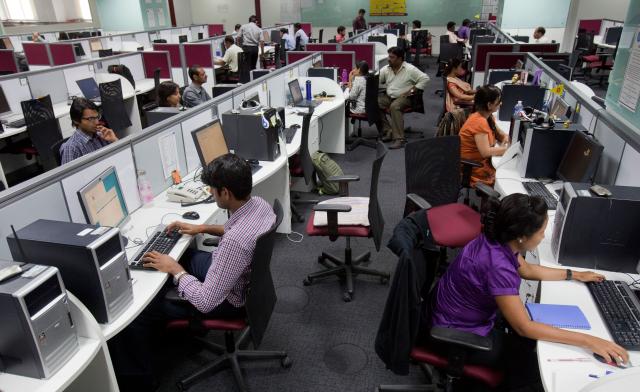
In the evaluation of sustainability of a housing market, the absorption of office space is the prime indicator across the world. After all, it is the economic activity and the job magnet that fuels the demand for new houses. The city of Mumbai has always been blessed on that count due to demand and supply dynamics.
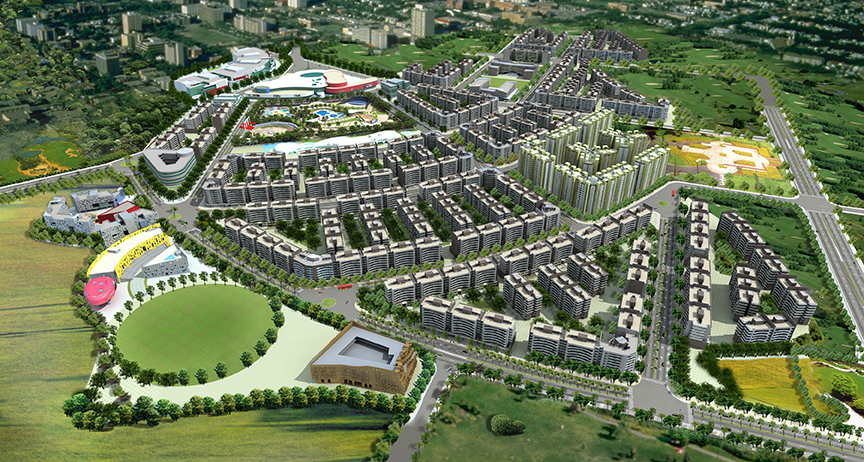
When Roshan Abbas, a property broker operating out of Mira Road of Western Suburb, claimed that the region would be the catalyst of housing revival in the Mumbai Metropolitan Region (MMR), many thought this to be claims of a broker glorifying his catchment area. Some of the critics even dismissed it as another marketing stunt on the eve of the festive season of Navratra.
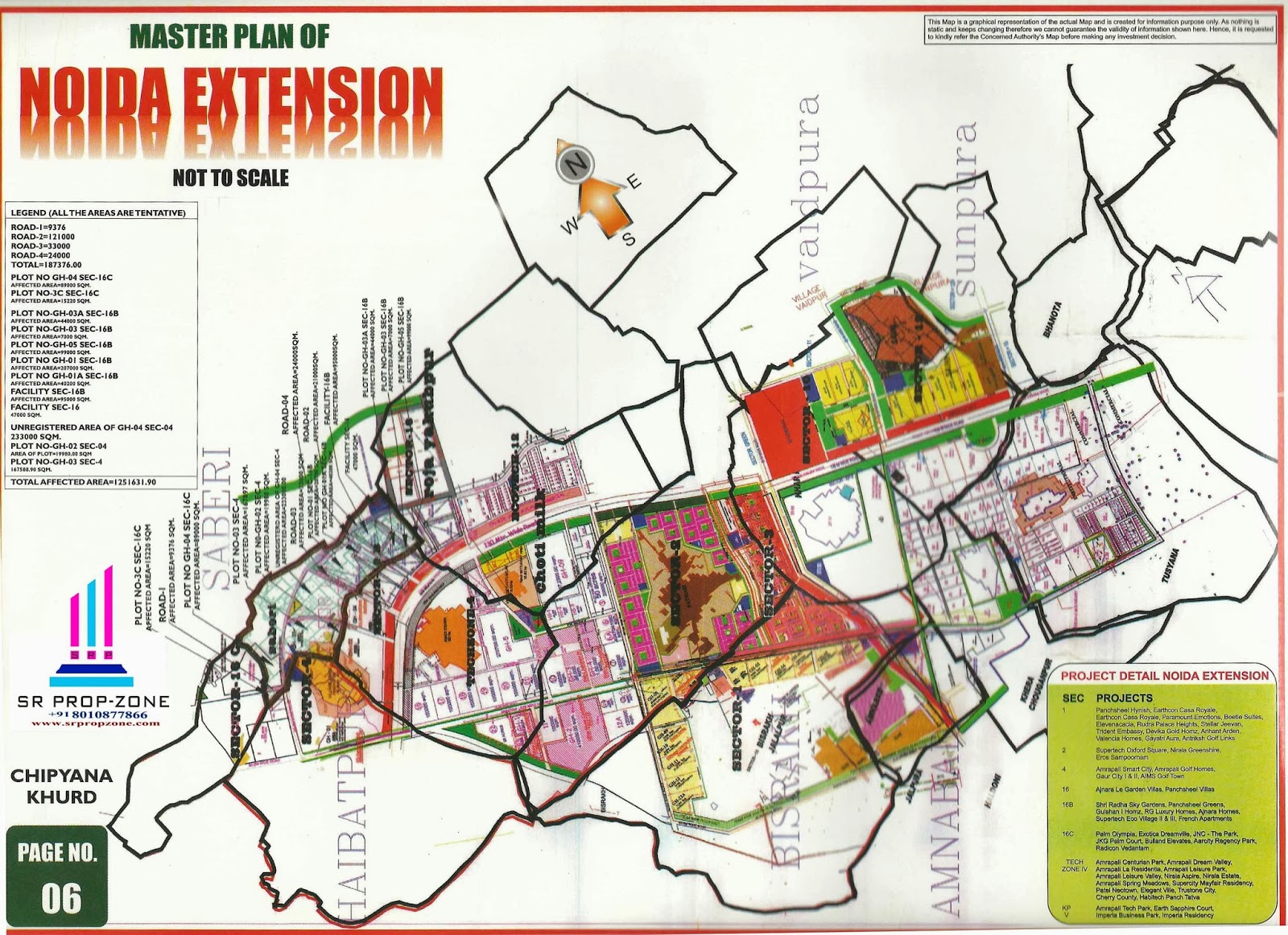
No other residential micro market of India has arguably weathered as many challenges and controversies as Noida Extension. Its inception as a separate zone, other than Noida & Greater Noida, did lend credence to conspiracy theories against the farmers that culminated into land acquisition litigation. Since then it has been a sordid saga of project delivery uncertainties and homebuyers endless wait; not to speak of the additional charges levied as against the compensation amount hiked to the farmers.
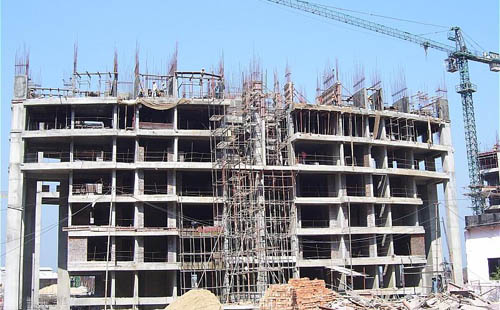
Over 75 per cent of the total 3,540 live projects with total outstanding investments worth over Rs 14 lakh crore attracted by the real estate sector across India remained non-starter as of financial year 2014-15, noted a just-concluded study by apex industry body ASSOCHAM.
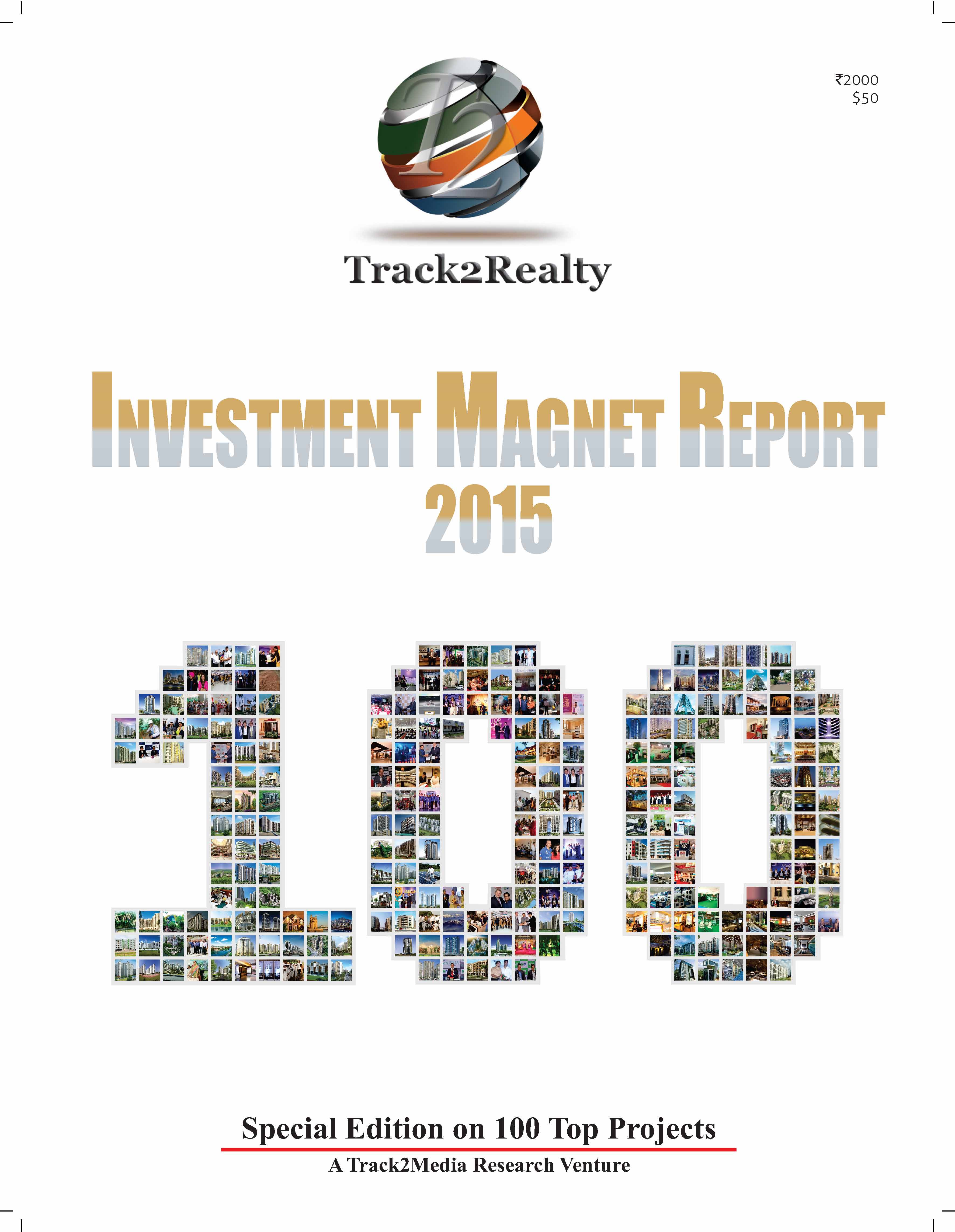
In an opaque real estate market where house hunt has been a travail and challenging for most of the Indians, Track2Realty takes up the challenge of finding not one but 100 most promising housing projects in the country. From Bangalore to Chennai, Mumbai to Ahmedabad, and Gurgaon to Kasauli; it has been a worm’s-eye view of thousands of housing projects to find 100 best that could stand out as the investment magnet in this first-of-its-kind study.