Main header for reports section
Leasing activity continued to remain strong in suburban micro-markets of Delhi – NCR, while the CBD and SBD saw moderate activity.

Main header for reports section
Leasing activity continued to remain strong in suburban micro-markets of Delhi – NCR, while the CBD and SBD saw moderate activity.
India is rapidly urbanizing, not only in form and features but, from within.
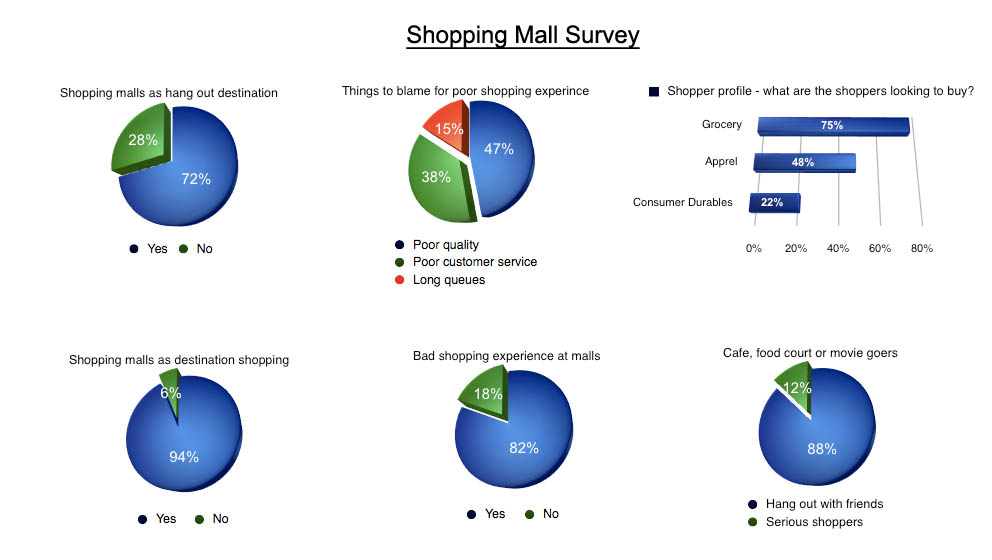
As many as seven out of 10 Indians with disposal income, a whopping 72 per cent, go to shopping malls at least twice a month but don’t buy the monthly food & grocery, apparels or consumer durables over there.
With government support and increase in number of real estate developers, affordable housing demand will surge at a CAGR of around 13% during 2011-2013, says a research report by RNCOS a thinktank group on industry intelligence and creative solutions for contemporary business segments.
Real estate has emerged as the most preferred investment avenue for working professionals in non-metro centres vis-à-vis bullion and stock market.
Real estate and construction has been voted as the most corrupt sector in India, according to a survey by global consultancy firm KPMG.
As Central Business Districts (CBD) begin to gradually lose their sheen against alternative locations because of their inability to offer Grade A buildings at competitive rates, retrofitting emerges as a preferred option (as compared with redevelopment) for quality improvement to increase the attractiveness and economic life of existing old buildings.
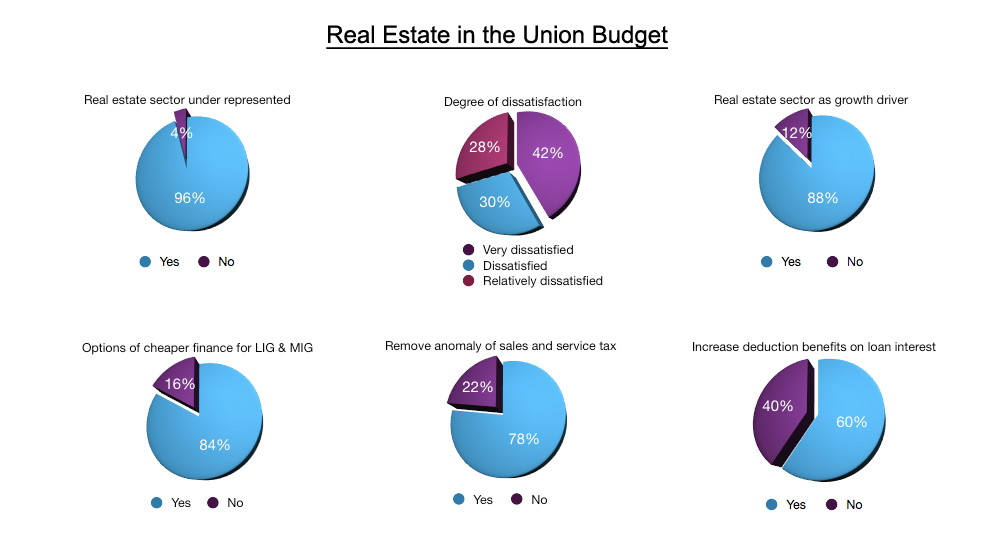
Nearly all the real estate developers, a whopping 96 per cent, across the country are cribbing for the sectors’ continued under representation in the Union Budget over the years.
A random Survey of the Associated Chambers of Commerce and Industry of India said that in the view of continuous elevated inflation and increase of price of commodity across globe, has made out a strong case for continuation of stimulus package so that the growth momentum is not spiked.
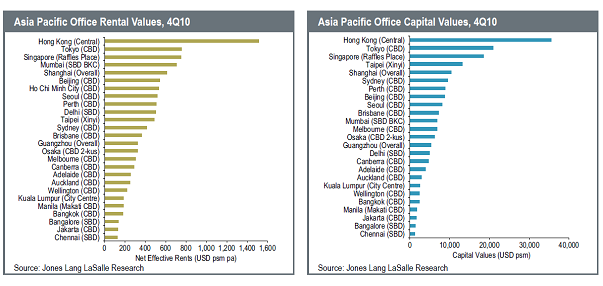
New research from Jones Lang LaSalle reveals that positive business sentiment and solid corporate hiring are buoying leasing demand in the office markets of Asia Pacific. In 2010, aggregate net take-up across major Tier I markets was more than double the level of the previous year.